
Hormone Replacement Therapy Parkinson's Disease Hormone Therapy for Parkinson’s Disease December 28, 2017 | Leave a Comment Neurology Solutions Movement Disorders Center offers bioidentical hormone replacement therapy (HRT) to patients seen frequently by the practice to help address mobility and mood and improve quality of life. Hormone Therapy for Parkinson's and other neurodegenerative diseases can reduce certain symptoms associated with PD and reduce dementia risk in the general elderly population. Read more » bioidentical hormones dementia hormone therapy HRT hormone replacement therapy neurodegenerative diseases Parkinson's disease
Parkinson's Disease Clinic Videos Video: Elevated Homocysteine in Parkinson’s December 20, 2017 | Leave a Comment Scientific literature contains a multitude of research studies linking homocysteine to poor health. Elevated homocysteine in Parkinson’s is thought to worsen oxidative stress on the neurons that produce dopamine and make them more easily damaged by environmental toxins. This video by Neurology Solutions Nurse Practitioner Jordan Harborth explains the correlation between homocysteine (Hcy), a non-protein amino acid, and neurological conditions such as Parkinson’s and Alzheimer’s disease. Read more » DNA methylation Homocysteine neurodegeneration supplements Parkinsons Levodopa
Cellular Energy Nutrition & Brain Health Parkinson's Disease Clinic Videos Video Explores Intermittent Fasting to Enhance Metabolism November 30, 2017 | 1 Comment on Video Explores Intermittent Fasting to Enhance Metabolism Intermittent fasting and restricted caloric intake is powerfully neuroprotective. Short-term fasting stimulates autophagy, a metabolic process that eliminates cell waste that may be responsible for many of the effects of aging. Studies have demonstrated that fasting can help prevent heart disease, speed fat loss, as well as slow or reverse aging. Researchers have found that the autophagy process is often defective in cancer, infectious diseases, immunological disorders and neurological diseases such as Alzheimer's disease and Parkinson’s disease (PD). Read more » Parkinsons neurodegenerative disorders MEND intermittent fasting autophagy metabolic enhancement
Cellular Energy Parkinson's Disease Clinic Videos Lifestyle, Metabolic Enhancements for Parkinson’s November 16, 2017 | Leave a Comment Neurology Solutions Movement Disorders Center Medical Director Dr. Robert Izor elaborates on the positive outcome of lifestyle and metabolic enhancement for Parkinson's disease. Metabolic enhancements for neurodegenerative disorders, also known as MEND, is a medical protocol designed to combat age-related decline and lessen disability. The MEND approach incorporates optimizing overall lifestyle and nutrition, stress reduction, sleep, hormone levels and a variety of other factors. This video is the first of a series on metabolic enhancement for Parkinson's and other neurological conditions by Neurology Solutions. Read more » neurodegenerative disorder metabolic enhancement MEND Parkinsons
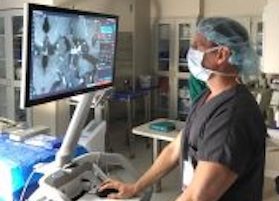
Deep Brain Stimulation (DBS) Less invasive Deep Brain Stimulation implant October 27, 2017 | Leave a Comment Neurosurgeon Dr. Anant Patel, who is affiliated with St. David’s North Austin Medical Center, and Neurology Solutions Movement Disorders Center Medical Director Dr. Robert Izor are at the forefront of a less invasive, more precise Deep Brain Stimulation (DBS) implant procedure. The new surgical technique streamlines the process for undergoing DBS surgery—requiring one less procedure and five fewer incisions. The new DBS implant technique uses the latest imaging and surgical programming equipment and eliminates the need for placement of bone marker screws prior to DBS surgery. Read more » Young Onset Parkinson's tremor deep brain stimulation therapy Parkinson's treatments DBS dystonia Deep Brain Stimulation Medtronic treatment of PD Parkinson's disease
Sleep & Recovery 8 Ways to Achieve Healthier Sleep October 19, 2017 | Leave a Comment Poor sleep is an issue that affects all kinds of people; however, patients with Parkinson’s disease (PD) often complain of sleeping problems that are caused by the disease itself or by medicines used to treat or help the person with their PD symptoms. Well before motor symptoms have begun, excessive daytime sleepiness, insomnia and nightmares could be early signs of PD. Sleep is important in regulating your metabolism and promoting brain health. Researchers found that for women not enough sleep can increase the risk of heart disease, diabetes, and more stress. Here are tips to achieve healthier sleep. Read more » sleep tips healthy sleep parkinson's symptoms sleep disorders REM Sleep Behavior Disorder
Exercise & Mobility 6 Tips for At-Home Fall Prevention September 29, 2017 | Leave a Comment Thousands of elderly Americans fall in their homes each year, often due to factors that can be modified for fall prevention in advance. As people age, muscle degeneration occurs, which weakens both strength and balance. Chronic conditions such as Parkinson’s disease, Alzheimer’s disease and arthritis can cause balance disorders, cognitive impairment and weakness in the extremities. According to the Centers for Disease Control and Prevention (CDC), falls are the leading cause of death, injury and hospitalization in people 65 and older. Read on for 6 Tips for at home Fall Prevention. Read more » fall prevention tips fall prevention education healthy aging
Oral Medications Parkinson's Disease Supplements & Neuroprotection Parkinson’s Symptoms, Diagnosis & Treatments September 7, 2017 | Leave a Comment Parkinson’s disease (PD) is a neurological disorder that leads to motor symptoms such as shaking and difficulty with movement and coordination. The brain disorder affects an estimated 1 million Americans and 7 to 10 million people worldwide. Approximately 60,000 Americans are diagnosed with PD each year, according to the National Institutes of Health. Learn about Parkinson's symptoms, diagnosis, and treatment options. Read more » Parkinson's treatments parkinson's symptoms Parkinson's signs
Dystonia Injections for Movement Disorders Parkinson's Disease Botox® therapy for movement disorders August 24, 2017 | Leave a Comment Therapeutic botulinum toxin, commonly referred to as Botox therapy, has been used to treat neuromuscular disorders for over 30 years. Botox® injections can be used effectively to relax excessive muscle contraction in individuals with movement disorders. Botox is a mainstay treatment of dystonia. Read more » neurological disorders Botox therapy Botulinum toxin dystonia movement disorders cervical dystonia
Hormone Replacement Therapy Supplements & Neuroprotection Metabolic Enhancement for NeuroDegeneration shows promise August 8, 2017 | Leave a Comment Researchers say Metabolic Enhancement for NeuroDegeneration (MEND)−a combination therapy to slow neurodegeneration−may partially reverse and stabilize cognitive decline. Participants with mild cognitive decline and Alzheimer's style dementia who took part in a two-year MEND study demonstrated real, life-altering improvements after following the MEND protocol for 5 to 24 months, the study showed. The MEND program calls for interventions to treat conditions such as inflammation, stress and diabetes that could be associated with Alzheimer’s and dementia. It involves multiple components including dietary adjustments, exercise, stress reduction, hormone balance, sleep optimization and integration of certain vitamins and supplements to the patient’s regular routine. Read more » neurodegenerative diseases dementia combination therapy health habits metabolic enhancements neurodegeneration